




WHAT IS TENNIS ELBOW?
Understanding Tennis Elbow: Causes, Symptoms, Treatments, and Prevention
Tennis elbow, also known as lateral epicondylitis, is a common condition that affects athletes across various sports. Although it’s frequently associated with tennis players, it can also impact athletes involved in other sports like padel, golf, or racquet sports in general. This injury can also occur in the workplace, especially in jobs that require repetitive arm motions. Understanding how to treat and prevent tennis elbow is crucial for maintaining optimal performance and avoiding setbacks.
What is Tennis Elbow?
Tennis elbow is an inflammation of the tendons that attach the forearm muscles to the outer part of the elbow. This condition typically arises from repetitive wrist movements, especially wrist extension, or from the overuse of the forearm muscles. Although it is often linked to tennis, it is just as common among players of other racquet sports, such as padel or golf.

Causes and Symptoms of Tennis Elbow
Causes
The primary cause of lateral epicondylitis is repetitive strain on the forearm muscles, leading to tiny tears in the tendon tissues. Several factors increase the risk of developing this condition, including:
-
Poor technique: Incorrect posture or form during sports or work activities can strain the muscles.
-
Improper or poorly designed equipment: The use of poorly fitting racquets, tools, or ergonomically incorrect equipment can contribute to the strain.
-
Age: Tennis elbow is most common among individuals aged 30 to 50, as tendons naturally become less flexible with age.
-
Overuse: Insufficient rest or improper warm-up before activities can lead to cumulative strain and micro-injuries in the tendons.
Symptoms
The hallmark symptom of tennis elbow is pain on the outer side of the elbow, which may radiate down the forearm. Common signs include:
-
Pain when gripping objects (e.g., holding a racquet)
-
Weakness in the affected arm, making it difficult to perform simple tasks
-
Pain worsens with continued use or lack of treatment, leading to more significant functional limitations
Prompt diagnosis and treatment are critical to preventing long-term damage and improving recovery outcomes.
Recommended Treatments for Tennis Elbow
The treatment for tennis elbow can vary depending on the severity of the condition. The primary treatment options include:
-
Rest and modification of activities: Reducing or avoiding actions that exacerbate the pain.
-
Physical therapy: Specific exercises to strengthen the forearm muscles and promote healing.
-
Anti-inflammatory medications: Nonsteroidal anti-inflammatory drugs (NSAIDs) can help reduce inflammation and pain.
-
Physiotherapy techniques: Advanced treatments like ultrasound therapy or shockwave therapy can support the healing process.
-
Corticosteroid injections or platelet-rich plasma (PRP): For more severe cases, these injections can reduce inflammation and promote healing.

Effective Exercises for Tennis Elbow Recovery
Certain exercises are integral to treating tennis elbow and safely returning to sports. These exercises should be performed under the guidance of a trained sports rehabilitation specialist to ensure proper technique and avoid further injury.
Recommended Exercises:
-
Wrist stretches: Stretch the wrist downward with the help of the other hand to elongate the forearm muscles.
-
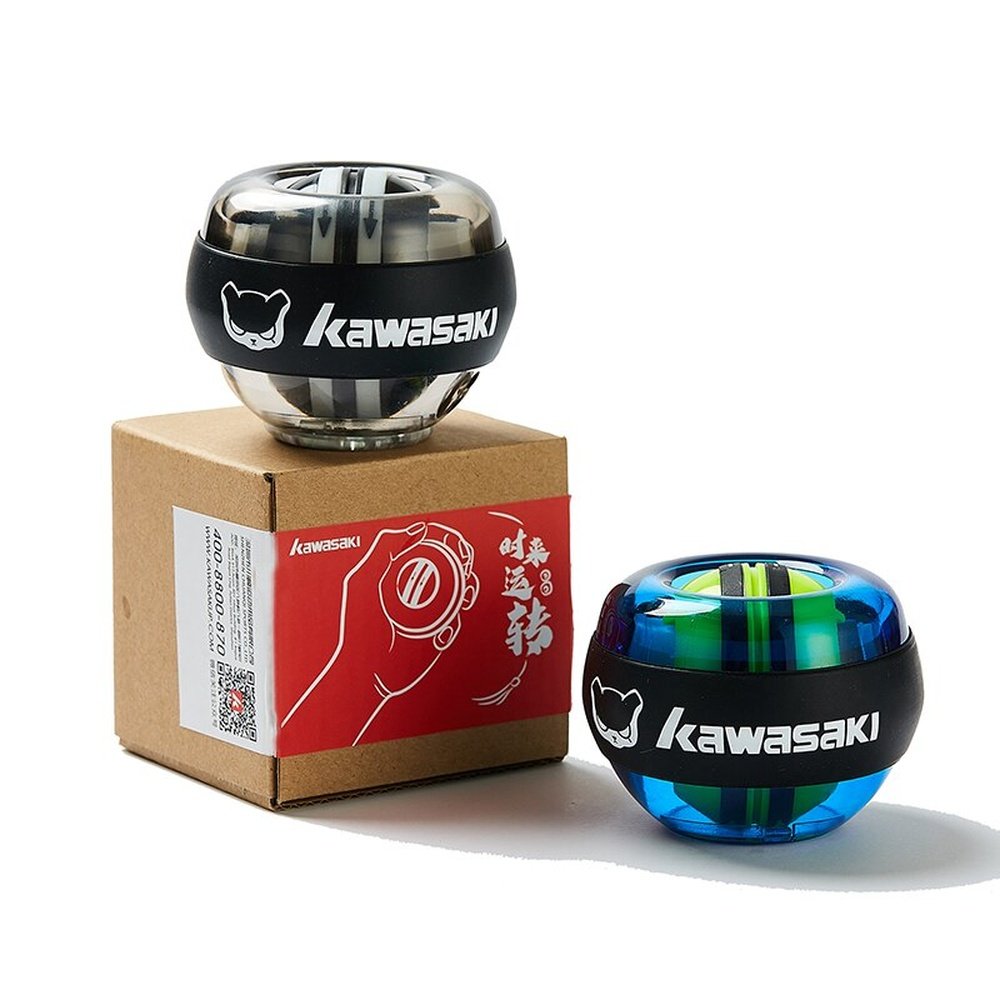
Grip strengthening: Use a rubber ball or stress ball to improve grip strength and support tendon recovery.
-
Eccentric exercises: These involve slow, controlled movements that specifically strengthen the tendons and promote healing.
These exercises, when done consistently, can expedite the recovery process and help return athletes to their previous performance levels.
Preventing Tennis Elbow: How to Avoid This Injury
Preventing tennis elbow is largely about adopting good practices during training, sports, and daily activities. Some key strategies include:
-
Use ergonomic equipment: Make sure your sports equipment, such as racquets and gloves, is well-suited to your body and needs. This reduces the strain on the tendons.
-
Focus on proper technique: Learning the correct form from experienced coaches can significantly reduce the risk of injury.
-
Strengthening and stretching: Regularly incorporating exercises that strengthen the forearm muscles and stretch the tendons can help prevent overuse injuries.
-
Take breaks during extended activities: Avoiding long periods of continuous effort without rest allows the muscles and tendons to recover, reducing the risk of strain.
Adopting these preventive measures not only reduces the likelihood of tennis elbow but also improves overall athletic performance.
The Importance of Training in Sports Injuries
Specialized training in sports injuries is essential for professionals aiming to help athletes recover efficiently and prevent future injuries. By understanding biomechanics, rehabilitation techniques, and injury prevention strategies, sports health practitioners can provide better care. This training also prepares them to address the mental challenges athletes face during recovery, ensuring a holistic approach to healing. Whether you're looking to improve your skills or start a career in this field, investing in sports injury education opens up numerous opportunities to support athletes in reaching their full potential.
Leave a comment